
About Us
Our Mission
To positively contribute to the health and well being of persons living with diabetes, by providing a one-stop shop where patients could receive clinical care and medications at one place.
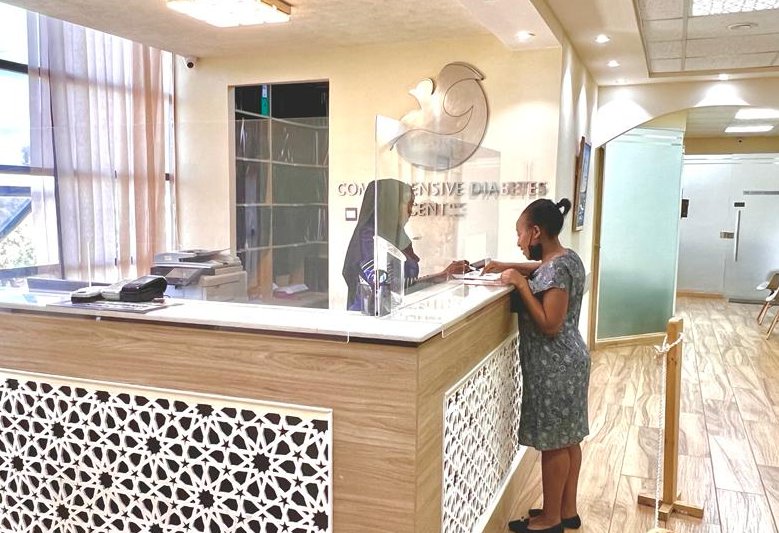
Comprehensive Diabetes Centre is recognized as a leader in Diabetes care and innovation in Nairobi and Kenya. The centre is characterized by the excellence of its health care services, its focus use of effective innovative technologies with a culture of continuous quality improvement
Frequently Asked Questions
Diabetes can occur in anyone. However, if you have close relatives who have the disease, you are somewhat more likely to develop it. Other risk factors include:
- Obesity
- High cholesterol
- High blood pressure
- Physical inactivity
- Type 1 diabetes — the body completely stops producing any insulin, a hormone that enables the body to process the glucose found in the foods you eat. People who have type 1 diabetes must take daily insulin injections to survive. This form of diabetes usually develops in children or young adults, but can occur at any age.
- Type 2 diabetes— results when the body doesn’t produce enough insulin and/or is unable to use insulin properly (insulin resistance). This form of diabetes usually occurs in people who are age 40 or older, overweight and have a family history of diabetes. Although today, it is increasingly occurring in younger people, particularly adolescents.
Once diagnosed, diabetes is treated rather than cured. If you take care to manage your diabetes, you can maintain an excellent quality of life and prevent complications from the disease.
There are certain things that everyone who has diabetes, whether type 1 or type 2, needs to do to be healthy:
- Follow a meal (eating) plan to make sure that you are getting the right nutrients.
- Develop a physical activity plan that can help the body process insulin by converting glucose into energy for cells.
- Visit your physician specialist (an endocrinologist or a diabetologist) at least once every six months and meet with other members of a diabetes treatment team (diabetes nurse educator and a dietitian) who will help you develop a meal plan.
- Take your medications as prescribed by your doctor. Some people with type 2 diabetes take pills called “oral agents,” which help their bodies produce more insulin or better use the insulin they are producing. Other people can manage type 2 diabetes through exercise and diet alone.
- Have yearly eye exams by an ophthalmologist to make sure that any eye problems associated with diabetes are caught early and treated before they become serious.
- Monitor your blood glucose daily to determine how well your meal plan, activity plan and medications are working to keep blood glucose levels in a normal range.
Poorly managed diabetes can lead to a host of long-term complications.Among these are:
- Heart attack
- Strokes
- Blindness
- Kidney failure
- Blood vessel disease
The good news: a nationwide study completed during a 10-year period showed that if people keep their blood glucose as close to normal as possible, they can reduce their risk of developing some of these complications by 50 percent or more.

Health Check
Our in-house physician will review you, and take you through a series of tests to identify early signs of diabetes, kidney disease, heart disease, stroke, liver disease and cancer.